The first few days of math instruction can feel like a race to get started with your new curriculum. But before jumping into the first unit, it’s worth pausing to see what your students actually remember from the year before.
Taking time to review helps students get back into the math mindset after a long break. And it gives you a chance to see what they remember, helps you build routines, and makes the transition into new content a lot smoother.
Here are a few simple ways to review key skills, check in on what students know, and get your math block off to a strong start.
Use Engaging Review Games Before Jumping Into New Content
Before diving into your first math unit, take a step back and see what your students remember from last year.
But that doesn’t mean you need to do a formal assessment or a packet of worksheets.

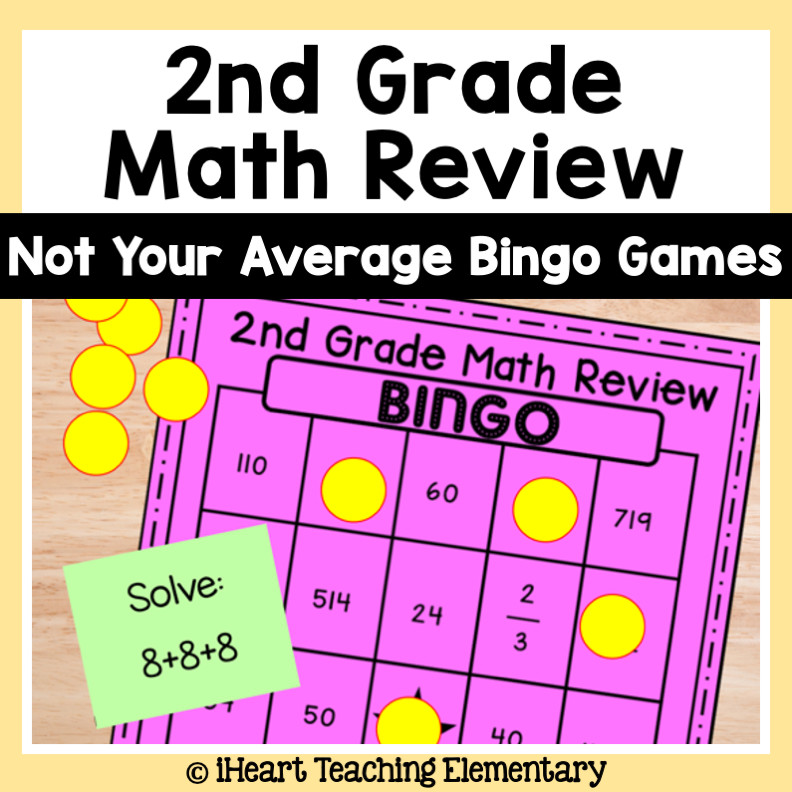
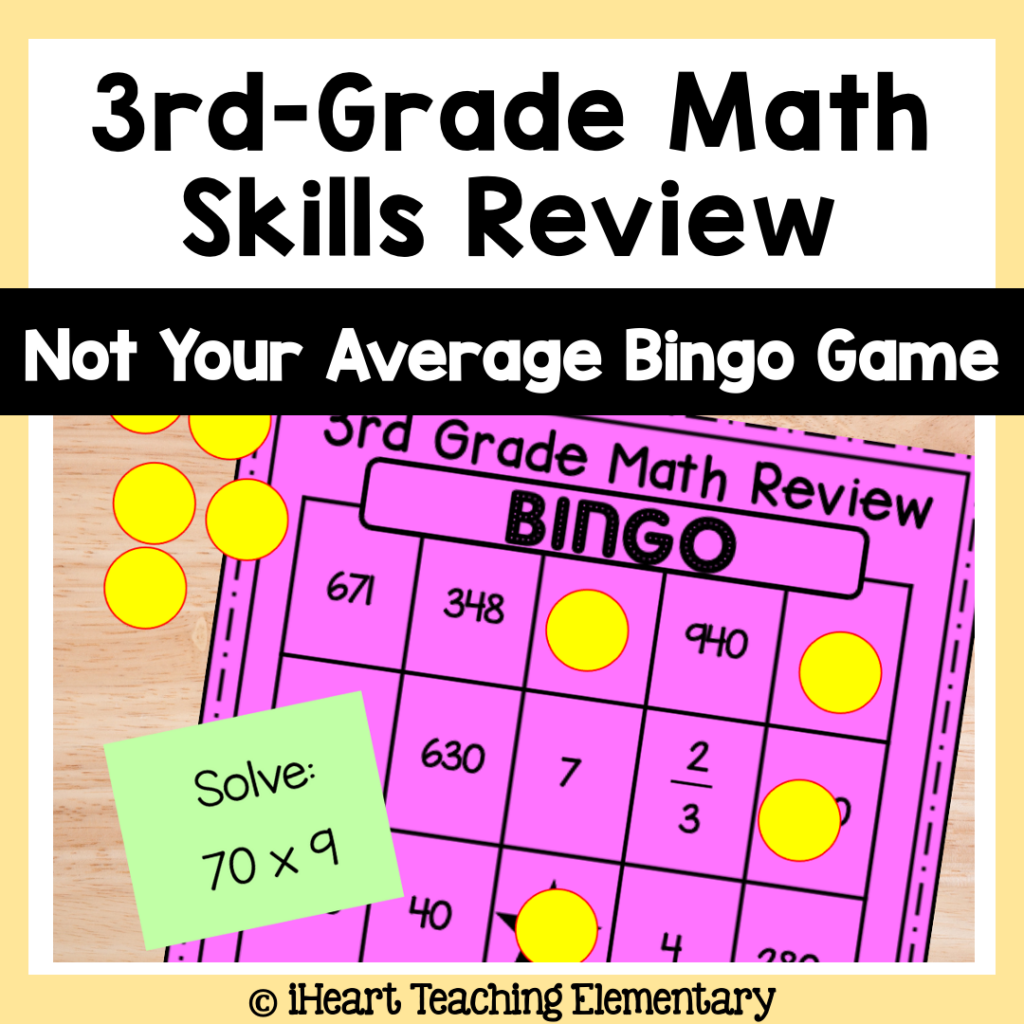
Interactive games like math bingo are a great way to review skills and assess what math skills your students have come into your class knowing.
While they play, you can walk around, observe their strategies, and make quick notes about who’s ready for new content and who might need a little extra support when you begin your first unit.
You can also use this time to practice your expectations for when students play games. What are your procedures for getting materials? For clean up?
Spiral Review with Task Cards or Centers
Set up a few simple stations with task cards, puzzles, or hands-on center activities that review key standards.

As students rotate through, you’ll get a better sense of their readiness while also laying the groundwork for your math block routines.
It’s a great way to ease into practicing routines and transitions, and build independence from the start.
Quick Check-Ins and Exit Tickets
You don’t need formal assessments during the first week, but that doesn’t mean you can’t start collecting data.
Quick check-ins like jotting answers on whiteboards, or completing short exit slips can give you an idea of what students remember and where they might need support.
You can use what you learn to adjust your pacing, form flexible small groups, or decide which foundational skills need a quick reteach before moving forward with new content.

Why Review First?
Taking the time to revisit key skills before jumping into new content helps you:
- Establish smoother routines for independent and small group work
- Build student confidence by easing them back into math with familiar concepts
- Review the essential skills students need in order to understand upcoming math content
- Spot learning gaps early and group students based on real-time needs
- Prevent constant reteaching later in the year
Taking time to review at the start of the year isn’t wasting time. It’s what helps you launch your math block with more success and less stress.
Starting with review might feel like you’re pressing pause on your curriculum, but it sets you up for smoother math instruction all year long. So it’s worth it in the long run.
Whether you use games, centers, or quick check-ins, that time up front can save you from a lot of reteaching later.
If you’re looking for an easy way to get started, I have some resources that are a low-prep option that helps you see what your students know while keeping them engaged from day one.


📌Pin this post to save for later