Spiral review is one of those things we know our students need, but it can get boring fast. Another worksheet. Another set of problems. Students rush through it, without putting in much effort to understand the skill.
Spiral review doesn’t have to feel like busywork. With a few simple shifts, you can make it engaging for your students and more effective for you. You don’t need to prep piles of extra worksheets to do spiral review.
Here are three easy ways to build spiral review into your week so students stay engaged, get the practice they need, and maybe even look forward to it.

Morning or Fast Finisher Work
One of the easiest ways to sneak in spiral review is to build it right into times you already have, like morning work or early finisher work.
Instead of handing out another worksheet, leave out a few bingo boards or a review game they can play with a partner.
Students get meaningful practice, but it feels like a game instead of an assignment.
It should be noted that it will be important to teach kids procedures and your expectations for playing a game during those times. You can read more about establishing classroom routines using games in this post.
Over time, these little chunks of practice add up. Students get repeated exposure to key concepts, and you don’t have to carve out a separate block of time for review. It just becomes a natural part of your classroom routine.

Weekly Spiral Review Station
Another way to keep spiral review engaging is to turn it into a math station. Set up a game station and switch out the focus skill each week. One week might be multiplication facts, the next could be rounding, and another might focus on subtraction with regrouping.
Because the format stays the same, students already know how to play so you don’t have to waste time re-explaining directions every week.
That consistency makes the center run smoothly and keeps the focus on the math instead of the logistics.
And since it feels like a game, not just another assignment, students are more motivated to do the practice.

Whole Class Review Fridays
Fridays are the perfect time to hit pause on new content and circle back to what you’ve been teaching all week.
Students are usually a little restless by the end of the week, so instead of another review worksheet, pull out a game the whole class can play at the same time.
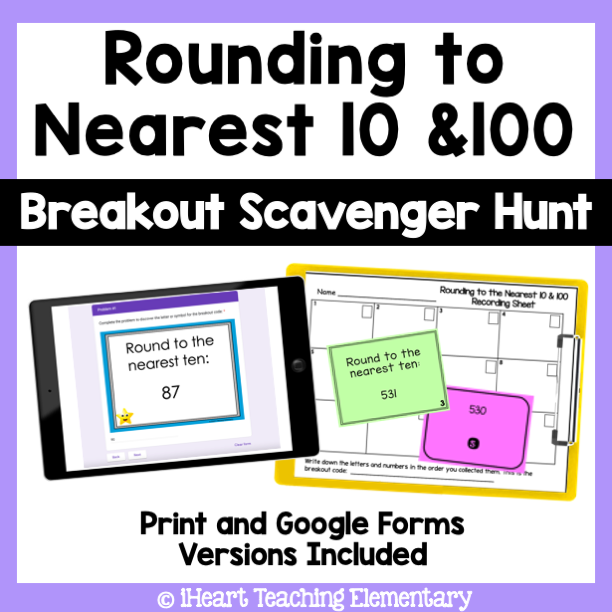
A scavenger hunt that’s breakout style, is a great option because it’s easy to prep. You can use problems that revisit skills you’ve taught, or sprinkle in a few questions that preview what’s coming up next. That way, you’re reviewing and building anticipation at the same time.
It’s a great time to discuss misconceptions students may have had from your teaching that week.
And since kids are motivated by the chance to win, they stay focused and engaged even on a Friday.
Spiral review doesn’t have to mean another stack of worksheets. By weaving it into your routines with games, stations, and whole-class activities, you can keep students engaged while still giving them the consistent practice they need.
When spiral review feels like play, kids are more motivated, more focused, and more likely to actually retain what they’ve learned.
If you want some easy to prep games to use for spiral review, check out the ones featured in this post.



📌 Pin this post to save for later: